
1. Understanding Prenatal Development / జనన పూర్వ వికాసం అంటే ఏమిటి?
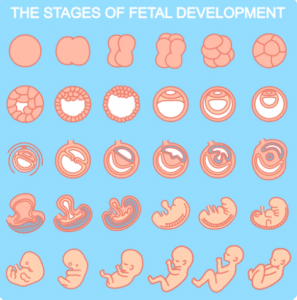
Human life begins at fertilization (conception). Before birth, the baby undergoes Prenatal Development. Prenatal development describes the journey of human biological growth inside the maternal womb, spanning an average of 280 days (40 weeks) from conception to childbirth. This biological timeline is strictly broken down into three foundational phases:
మానవ జీవితం గర్భధారణ (Fertilization) తో ప్రారంభమవుతుంది. పుట్టుకకు ముందు జరిగే వికాసాన్ని ప్రసవపూర్వ వికాసం (Prenatal Development) అంటారు.జనన పూర్వ వికాసం అనగా తల్లి గర్భంలో పిండం ఏర్పడినప్పటి నుండి శిశువు జన్మించే వరకు జరిగే జీవసంబంధమైన ఎదుగుదల ప్రక్రియ. ఈ కాల వ్యవధి సుమారు 280 రోజులు (40 వారాలు) ఉంటుంది. దీనిని మనస్తత్వ శాస్త్రవేత్తలు మరియు వైద్యులు 3 ముఖ్యమైన దశలుగా వర్గీకరించారు:
Germinal Stage (బీజ దశ / జైగోట్ దశ): Conception to 2 Weeks. The single-celled zygote divides rapidly while traveling down the fallopian tube to successfully implant into the uterine wall. / మొదటి 2 వారాలు. ఫలదీకరణం చెందిన అండం (Zygote) వేగంగా కణ విభజన చెందుతూ గర్భాశయ గోడకు అంటుకునే దశ.
Embryonic Stage (భ్రూణ దశ): 3 Weeks to 8 Weeks. The most critical, vulnerable stage. All major internal organ systems (heart, nervous system, limbs) rapidly form through organogenesis. / 3వ వారం నుండి 8వ వారం వరకు. ఈ దశలో శరీరంలోని ప్రధాన అంతర్గత అవయవాలు (గుండె, నాడీ వ్యవస్థ, కాళ్ళు, చేతులు) రూపుదిద్దుకుంటాయి.
Fetal Stage (గర్భస్థ శిశు దశ / ఫీటస్ దశ): 9 Weeks until Birth. The period of intense refinement, skeletal hardening, and rapid weight acceleration. / 9వ వారం నుండి జననం వరకు. అవయవాలు పరిపక్వత చెంది, శారీరక బరువు మరియు పొడవు వేగంగా పెరిగే సుదీర్ఘమైన దశ.
2. Prominent Characteristics of the Fetal Stage / ఫీటస్ దశ యొక్క ముఖ్య లక్షణాలు
The Fetal Stage transitions the organism from an embryo into a recognizable human baby.
భ్రూణ దశ ముగిసిన తర్వాత ప్రారంభమయ్యే ‘ఫీటస్ దశ’లో ఒక చిన్న కణాల ముద్ద క్రమంగా పూర్తి మానవ రూపంగా రూపాంతరం చెందుతుంది. ఈ దశలోని ముఖ్యమైన మైలురాళ్ళు:
Ossification (ఎముకల దృఢత్వం): The soft cartilage framework of the body begins turning into hard, true bone tissue, marking the biological official boundary where the embryo transitions into a fetus.
తెలుగు: శరీరంలోని మెత్తటి మృదులాస్థి (Cartilage) కాస్త గట్టి ఎముక కణజాలంగా మారడం ప్రారంభమవుతుంది. ఈ ఎముకల పెరుగుదలే భ్రూణం ‘ఫీటస్’గా మారడానికి సూచిక.
Quickening (కదలికలు తెలియడం): Around the 4th to 5th month (Weeks 16-20), the fetus begins active muscular movements (kicking, turning) that are strong enough for the mother to physically feel.
తెలుగు: 4 నుండి 5వ నెలలో. గర్భంలో ఉన్న శిశువు కాళ్ళు, చేతులు కదపడం (కదలికలు) ప్రారంభిస్తుంది. ఈ కదలికలను తల్లి స్పష్టంగా గమనించగలదు.
Lanugo & Vernix Protection (రక్షణ పొరలు ఏర్పడటం): The fetal skin becomes covered with Lanugo (fine, downy hair) and Vernix Caseosa (a thick, waxy, cheese-like protective coating) to preserve the delicate skin against constant exposure to amniotic fluid.
తెలుగు: శిశువు చర్మం నిండా లానుగో అనే మెత్తటి జుట్టు మరియు వెర్నిక్స్ కేసియోసా అనే తెల్లటి మైనం లాంటి పొర ఏర్పడుతుంది. ఇది గర్భంలో ఉండే ఉమ్మనీరు (Amniotic fluid) నుండి శిశువు చర్మాన్ని కాపాడుతుంది.
Age of Viability (గర్భం బయట బ్రతకగలిగే కనీస వయస్సు): Occurring around Weeks 22 to 24 (6th Month). This is the critical developmental threshold where the fetal lungs and neurological systems are mature enough to potentially survive outside the womb if premature birth occurs.
తెలుగు: 22 నుండి 24 వారాలు (6వ నెల). ఈ సమయానికి శిశువు యొక్క ఊపిరితిత్తులు, నాడీ వ్యవస్థ కనీస స్థాయికి ఎదుగుతాయి. ఒకవేళ కాన్పు ముందే జరిగినా, వైద్య సహాయంతో గర్భం బయట శిశువు ప్రాణాలతో బ్రతకగలిగే కనీస వయస్సు ఇది.
Month-wise Fetal Development నెలల వారీగా పిండ వికాసం
Third Month (9–12 Weeks) మూడవ నెల
- Fetus is about 6–8 cm long.
- Fingers and toes are well formed.
- Heart beats regularly.
- External genital organs begin to develop.
- Face becomes more human-like.
తెలుగు
- పొడవు సుమారు 6–8 సెం.మీ.
- వేళ్లు పూర్తిగా ఏర్పడతాయి.
- గుండె క్రమంగా కొట్టుకుంటుంది.
- బాహ్య జననేంద్రియాలు అభివృద్ధి చెందడం ప్రారంభమవుతుంది.
- ముఖ ఆకారం స్పష్టంగా కనిపిస్తుంది.
Fourth Month (13–16 Weeks) నాలుగవ నెల
- Skeleton becomes stronger.
- Limbs move actively.
- Mother may begin to feel slight movements.
- అస్థిపంజరం బలపడుతుంది.
అవయవాలు చురుకుగా కదులుతాయి.
తల్లి స్వల్ప కదలికలను గమనించడం ప్రారంభించవచ్చు.
Fifth Month (17–20 Weeks) ఐదవ నెల
- Hair (Lanugo) develops.
- Mother clearly feels fetal movements (Quickening).
- Hearing begins.
- రోమాలు (లానుగో) ఏర్పడతాయి.
- తల్లికి పిండం కదలికలు స్పష్టంగా తెలుస్తాయి.
- వినికిడి శక్తి మొదలవుతుంది.
Sixth Month ఆరవ నెల(21–24 Weeks)
- Eyelids open.
- Lungs continue developing.
- Skin appears reddish and wrinkled.
- Fetus may survive with intensive medical care if born prematurely (around the threshold of viability, though survival improves with advancing gestational age).
- కనురెప్పలు తెరుచుకుంటాయి.
- ఊపిరితిత్తులు అభివృద్ధి చెందుతూనే ఉంటాయి.
- చర్మం ఎర్రగా మరియు ముడతలుగా కనిపిస్తుంది.
- గర్భస్థ శిశువు అకాలంగా (జీవించే అవకాశమున్న సమయంలో) జన్మిస్తే, ఇంటెన్సివ్ వైద్య సంరక్షణతో బ్రతకవచ్చు (అయితే, గర్భధారణ వయస్సు పెరిగేకొద్దీ మనుగడ మెరుగుపడుతుంది).
Seventh Month ఏడవ నెల (25–28 Weeks)
- Brain grows rapidly.
- Eyes respond to light.
- Breathing movements improve.
- Weight increases.
- మెదడు వేగంగా పెరుగుతుంది.
- కళ్లు కాంతికి స్పందిస్తాయి.
- శ్వాస కదలికలు మెరుగుపడతాయి.బరువు పెరుగుతుంది.
Eighth Month ఎనిమిదవ నెల (29–36 Weeks)
- Fat is deposited under the skin.
- Bones become stronger.
- Most organs are nearly mature.
- చర్మం కింద కొవ్వు పేరుకుపోతుంది.
- ఎముకలు దృఢంగా మారతాయి.
- చాలా వరకు అవయవాలు దాదాపుగా పరిపక్వత చెందుతాయి.
Ninth Month తొమ్మిదవ నెల (37–40 Weeks)
- Full-term baby.
- Lungs are fully mature.
- Head usually moves into the pelvis (head-down position).
- Ready for birth.
- పూర్తిగా అభివృద్ధి చెందిన శిశువు.
- ఊపిరితిత్తులు పూర్తిగా పరిపక్వం చెందుతాయి.
- సాధారణంగా శిశువు తల పెల్విస్ (శ్రోణి) భాగంలోకి చేరుతుంది (తల కిందికి ఉండే స్థితి).
- జననానికి సిద్ధంగా ఉంటుంది.
Factors Affecting Fetal Development పిండ వికాసాన్ని ప్రభావితం చేసే అంశాలు
Maternal Factors తల్లికి సంబంధించిన అంశాలు
- Balanced nutrition
- Maternal age
- Diseases (e.g., diabetes, hypertension)
- Anemia
- Stress
- Adequate rest
- అనారోగ్య సమస్యలు (ఉదా: మధుమేహం, అధిక రక్తపోటు)
రక్తహీనత
ఒత్తిడి
తగినంత విశ్రాంతి
Environmental Factors పరిసర అంశాలు
- Pollution
- Radiation
- Harmful chemicals
Certain infections
- కాలుష్యం
వికిరణం
హానికరమైన రసాయనాలు
కొన్ని రకాల ఇన్ఫెక్షన్లు
Lifestyle Factors జీవనశైలి అంశాలు
- Smoking
- Alcohol
- Narcotic drugs
- Unnecessary medications without medical advice
- ధూమపానం
మద్యపానం
మాదక ద్రవ్యాలు
వైద్య సలహా లేకుండా అనవసరమైన మందులు వాడటం
Genetic Factors వంశపారంపర్య అంశాలు
Inherited traits and genetic disorders. వంశపారంపర్య లక్షణాలు మరియు జన్యుపరమైన రుగ్మతలు.
3. Understanding Twins in Development / కవలల జననం మరియు వికాసం
In developmental biology and psychology, twins represent a unique window into the classic nature versus nurture debate. Twinning occurs when two offspring are produced by the same pregnancy. They are universally categorized into two primary biological types:
జీవశాస్త్రం మరియు మనస్తత్వ శాస్త్రంలో ‘కవలలు’ (Twins) అనే అంశం చాలా విశేషమైనది. మానవ వికాసంపై జనుల ప్రభావం (Nature) మరియు పరిసరాల ప్రభావం (Nurture) ఎలా ఉంటుందో తెలుసుకోవడానికి కవలలపై చేసే పరిశోధనలు ఎంతో సహాయపడతాయి. ఒకే గర్భధారణలో ఇద్దరు పిల్లలు జన్మించడాన్ని కవలలు అంటారు. వీరు ప్రధానంగా రెండు రకాలు:
Identical Twins vs. Fraternal Twins / సమరూప కవలలు వర్సెస్ భిన్నరూప కవలలు
Monozygotic Twins (Identical Twins / సమరూప కవలలు)
The Biological Mechanism: Formed when a single egg is fertilized by a single sperm to create one zygote, which then completely splits into two separate embryos during the early days of development.
తెలుగు: ఒకే ఒక అండం, ఒకే ఒక శుక్రకణంతో ఫలదీకరణం చెంది ఒకే జైగోట్గా ఏర్పడిన తర్వాత, ఆ జైగోట్ ప్రారంభ దశలోనే రెండు విడివిడి భాగాలుగా చీలి ఇద్దరు పిల్లలుగా ఎదుగుతారు.
Key Characteristics: They share 100% of their genetic material. As a result, they are always of the same sex (either both boys or both girls), possess identical blood types, and look remarkably alike.
తెలుగు: వీరు 100% ఒకే రకమైన జన్యువులను పంచుకుంటారు. అందువల్ల వీరు ఎల్లప్పుడూ ఒకే లింగానికి చెంది ఉంటారు (ఇద్దరూ అబ్బాయిలు లేదా ఇద్దరూ అమ్మాయిలు మాత్రమే అవుతారు) మరియు ఒకే పోలికలతో ఉంటారు.
Dizygotic Twins (Fraternal Twins / భిన్నరూప కవలలు)
The Biological Mechanism: Formed when the mother’s ovaries release two distinct eggs simultaneously, and each egg is fertilized by two completely different sperm cells at the same time.
తెలుగు: తల్లి గర్భాశయం నుండి ఒకేసారి విడుదలైన రెండు వేర్వేరు అండాలు, రెండు వేర్వేరు శుక్రకణాలతో ఫలదీకరణం చెంది ఇద్దరు భిన్నమైన పిల్లలుగా ఎదుగుతారు.
Key Characteristics: They share roughly 50% of their genetic material, making them no more genetically similar than ordinary siblings born years apart. They can be of the same sex or different sexes (a boy and a girl).
తెలుగు: వీరు సాధారణ అన్నాదమ్ములు లేదా అక్కాచెల్లెళ్ల లాగే కేవలం 50% జన్యువులను మాత్రమే పంచుకుంటారు. వీరు ఒకే లింగానికి చెందినవారైనా కావచ్చు లేదా ఒకరు అబ్బాయి, మరొకరు అమ్మాయి కావచ్చు. వీరి పోలికలు వేరుగా ఉంటాయి.
Special Psychological Phenomenon: Cryptophasia / క్రిప్టోఫేసియా (కవలల రహస్య భాష)
One of the most fascinating characteristics observed during the early childhood developmental stage of twins is Cryptophasia.
కవలల బాల్య వికాస దశలో కనిపించే అత్యంత ఆసక్తికరమైన మానసిక/భాషా లక్షణం ‘క్రిప్టోఫేసియా’:
Definition: A private, autonomous language developed by twin infants that only they can understand between themselves.
తెలుగు: కవల పిల్లలు ఒకరితో ఒకరు మాట్లాడుకోవడానికి ఒక ప్రత్యేకమైన, రహస్యమైన సంభాషణా భాషను సృష్టించుకుంటారు. ఆ భాష ఆ ఇద్దరికీ తప్ప చుట్టుపక్కల ఉన్న పెద్దవారికి ఎవరికీ అర్థం కాదు.
Why it occurs: Twins spend nearly 100% of their early interactive time together. If adult language models are not constantly engaging them, the twins adapt to each other’s unique phonological sounds, forming an exclusive communication system.
తెలుగు: కవలలు చిన్నప్పుడు రోజంతా ఒకరితో ఒకరు ఎక్కువ సమయం గడపడం వల్ల, పెద్దల భాష అలవడే కంటే ముందే తమకు మాత్రమే తెలిసిన శబ్దాలు, సైగలతో ఈ సొంత భాషను అభివృద్ధి చేసుకుంటారు.
Causes of Twin Pregnancy
Natural Causes
- Family history (especially maternal side for fraternal twins) కుటుంబ చరిత్ర (ముఖ్యంగా భిన్నరూప కవలల విషయంలో తల్లి వైపు)
- Maternal age (30–35 years has a higher chance) తల్లి వయస్సు (30–35 సంవత్సరాలు ఉంటే ఎక్కువ అవకాశం)
- Multiple ovulation బహుళ అండాలు విడుదల కావడం
- Previous twin pregnancy గతంలో కవలల గర్భం దాల్చడం
- Taller or well-nourished women may have a slightly higher chance పొడవుగా ఉండే లేదా మంచి పోషణ ఉన్న మహిళలకు అవకాశం కొద్దిగా ఎక్కువగా ఉండవచ్చు
Medical Causes వైద్యపరమైన కారణాలు
- Fertility medicines (e.g., ovulation-inducing drugs) సంతానోత్పత్తి మందులు (ఉదా., అండ విడుదలను ప్రేరేపించే మందులు)
- IVF (In Vitro Fertilization) IVF (ఇన్ విట్రో ఫెర్టిలైజేషన్)
- Assisted Reproductive Technology (ART) సహాయక పునరుత్పత్తి సాంకేతికత (ART)
Risk Factors ప్రమాద కారకాలు
- Advanced maternal age అధిక వయస్సులో గర్భం దాల్చడం
- Fertility treatment సంతానోత్పత్తి చికిత్స
- Family history కుటుంబ చరిత్ర
- Multiple pregnancies in the past గతంలో ఒకటి కంటే ఎక్కువసార్లు గర్భం దాల్చడం
Complications of Twin Pregnancy కవలల గర్భధారణలో వచ్చే సమస్యలు
Twin pregnancies are considered high-risk pregnancies. కవలల గర్భధారణను అధిక ప్రమాదం ఉన్న గర్భంగా పరిగణిస్తారు.
Maternal Complications కవలల గర్భధారణలో సమస్యలు
- High blood pressure అధిక రక్తపోటు
- Gestational diabetes గర్భధారణ మధుమేహం
- Anaemia రక్తహీనత
- Excessive nausea and vomiting అధిక వికారం మరియు వాంతులు
- Premature labour ముందస్తు ప్రసవం
- Increased chance of caesarean delivery సిజేరియన్ డెలివరీకి పెరిగిన అవకాశం
- Postpartum haemorrhage ప్రసవానంతర రక్తస్రావం
Fetal Complications గర్భస్థ శిశువు సమస్యలు
- Premature birth అకాల జననం
- Low birth weight తక్కువ బరువుతో పుట్టడం
- Intrauterine Growth Restriction (IUGR) గర్భాశయంలో పిండం పెరుగుదల పరిమితి (IUGR)
- Congenital anomalies (slightly higher risk) పుట్టుకతో వచ్చే లోపాలు (కొద్దిగా అధిక ప్రమాదం)
- Twin-to-Twin Transfusion Syndrome (TTTS) in some identical twins sharing a placenta ఒకే జరాయువును పంచుకునే కొంతమంది సరూప కవలలలో ట్విన్-టు-ట్విన్ ట్రాన్స్ఫ్యూజన్ సిండ్రోమ్ (TTTS)
Care During Twin Pregnancy కవలల గర్భధారణ సమయంలో తీసుకోవాల్సిన జాగ్రత్తలు
- Regular antenatal check-ups క్రమమైన ప్రసవపూర్వ తనిఖీలు
- Balanced, nutrient-rich diet సమతుల్యమైన, పోషకాలు అధికంగా ఉండే ఆహారం
- Additional folic acid and iron (as advised) అదనపు ఫోలిక్ యాసిడ్ మరియు ఐరన్ (సలహా మేరకు)
- Adequate rest and sleep తగినంత విశ్రాంతి మరియు నిద్ర
- Weight monitoring బరువు పర్యవేక్షణ
- Ultrasound scans to monitor fetal growth పిండం పెరుగుదలను పర్యవేక్షించడానికి అల్ట్రాసౌండ్ స్కాన్లు
- Blood pressure and blood sugar monitoringరక్తపోటు మరియు రక్తంలో చక్కెర పర్యవేక్షణ
- Early detection of complications సమస్యలను ముందుగానే గుర్తించడం
- Hospital delivery under specialist supervision నిపుణుల పర్యవేక్షణలో ఆసుపత్రిలో ప్రసవం
Care After Birth ప్రసవం తర్వాత సంరక్షణ
- Exclusive breastfeeding (or expressed breast milk if needed) కేవలం తల్లిపాలు మాత్రమే పట్టడం (అవసరమైతే, పిండిన తల్లిపాలు)
- Maintain warmth వెచ్చదనాన్ని కాపాడుకోవడం
- Immunization as per schedule షెడ్యూల్ ప్రకారం టీకాలు వేయించడం
- Monitor growth and development పెరుగుదల మరియు అభివృద్ధిని పర్యవేక్షించడం
- Extra attention to feeding and hygiene ఆహారం మరియు పరిశుభ్రతపై అదనపు శ్రద్ధ
- Regular paediatric follow-up క్రమమైన శిశువైద్య పర్యవేక్షణ
Advantages of Having Twins కవలలు కలగడం వల్ల కలిగే ప్రయోజనాలు
- Siblings grow together తోబుట్టువులు కలిసి పెరుగుతారు
- Early social interaction చిన్న వయసులోనే సామాజిక కలయిక
- Strong emotional bond బలమైన భావోద్వేగ బంధం
- Shared learning experiences పంచుకున్న అభ్యాస అనుభవాలు
Disadvantages / Challenges ప్రతికూలతలు / సవాళ్లు
- Higher pregnancy risks అధిక గర్భధారణ ప్రమాదాలు
- Greater financial responsibilityఅధిక ఆర్థిక బాధ్యత
- Increased parental workload తల్లిదండ్రులపై పనిభారం పెరగడం
- Higher likelihood of premature birth ముందస్తు ప్రసవానికి అధిక అవకాశం
- More frequent medical follow-up తరచుగా వైద్య పర్యవేక్షణ అవసరం
Interesting Facts ఆసక్తికరమైన వాస్తవాలు
- Identical twins result from one fertilized egg splitting. ఒకే ఫలదీకరణ చెందిన అండం విభజన చెందడం వల్ల సరూప కవలలు జన్మిస్తారు.
- Fraternal twins result from two separate eggs fertilized by two separate sperm. రెండు వేర్వేరు అండాలు, రెండు వేర్వేరు శుక్రకణాలచే ఫలదీకరణ చెందడం వల్ల భిన్నరూప కవలలు జన్మిస్తారు.
- Identical twins are always the same biological sex. సరూప కవలలు ఎల్లప్పుడూ ఒకే జీవ లింగానికి చెందినవారై ఉంటారు.
- Fraternal twins can be boy-boy, girl-girl, or boy-girl. భిన్నరూప కవలలు అబ్బాయి-అబ్బాయి, అమ్మాయి-అమ్మాయి, లేదా అబ్బాయి-అమ్మాయిగా ఉండవచ్చు.
- Twin births are more common with fertility treatments. సంతానోత్పత్తి చికిత్సల ద్వారా కవలల జననాలు ఎక్కువగా జరుగుతాయి.
4. What is Infant Stimulation? / శిశు ప్రేరణ అంటే ఏమిటి?
Infant stimulation involves activities that arouse a baby’s senses—visual, auditory, tactile (touch), olfactory (smell), and gustatory (taste). During the early months of life, a baby’s brain undergoes massive synaptic pruning and growth. Proper sensory enrichment strengthens neural pathways, accelerating motor, language, and socio-emotional development.
శిశు ప్రేరణ (Infant Stimulation) అంటే శిశువు యొక్క జ్ఞానేంద్రియాలను—చూపు, వినికిడి, స్పర్శ, వాసన మరియు రుచిని ఉత్తేజపరిచేలా చేసే వివిధ పనులు లేదా కృత్యాలు. జీవితంలోని మొదటి కొన్ని నెలల్లో శిశువు మెదడు కణాల అనుసంధానం (Neural connections) చాలా వేగంగా జరుగుతుంది. ఈ సమయంలో అందించే సరైన ప్రేరణలు మెదడును చురుగ్గా మార్చి, శారీరక, భాషా మరియు సాంఘిక వికాసాలను వేగవంతం చేస్తాయి.
Core Pillars of Sensory Stimulation / జ్ఞానేంద్రియ ప్రేరణల ముఖ్య రకాలు
Visual Stimulation (దృశ్య ప్రేరణ): Newborns have an undeveloped retina and can only focus on objects about 8 to 12 inches away. High-contrast patterns (black-and-white images) stimulate the optic nerve and improve visual tracking.
తెలుగు: నవజాత శిశువుల కంటి చూపు పూర్తిగా అభివృద్ధి చెందదు. వారు కేవలం 8 నుండి 12 అంగుళాల దూరంలో ఉన్న వస్తువులను మాత్రమే చూడగలరు. నలుపు-తెలుపు (High-contrast) రంగులు గల బొమ్మలు లేదా డిజైన్లు వారి చూపును, ఏకాగ్రతను మెరుగుపరుస్తాయి.
Tactile Stimulation (స్పర్శ ప్రేరణ): Skin-to-skin contact (Kangaroo Care) and gentle infant massages lower the stress hormone cortisol, stabilize heart rates, and enhance physical growth.
తెలుగు: తల్లి శరీరానికి శిశువు శరీరం తగిలేలా పడుకోబెట్టుకోవడం (కంగారూ కేర్) మరియు సున్నితంగా మసాజ్ చేయడం వల్ల శిశువులో ఒత్తిడి తగ్గి, గుండె కొట్టుకునే వేగం క్రమబద్ధంగా మారి, బరువు వేగంగా పెరుగుతారు.
Auditory Stimulation (శ్రవణ లేదా వినికిడి ప్రేరణ): Talking, singing lullabies, and responding to cooing sounds lay the groundwork for language acquisition. Exposure to soft classical tones or rhythmic heartbeats can soothe an over-stimulated infant.
తెలుగు: శిశువుతో మాట్లాడటం, జోలపాటలు పాడటం, మరియు వారు చేసే చిన్న శబ్దాలకు తిరిగి సమాధానం ఇవ్వడం ద్వారా వారి భాషా నైపుణ్యానికి పునాది పడుతుంది.
Guidelines for Avoiding Over-Stimulation / అతి-ప్రేరణను నివారించే నియమాలు
While stimulation is essential, an infant’s nervous system can easily get overwhelmed. Educators and caregivers must look for behavioral cues:
శిశువుకు ప్రేరణ అవసరమే అయినప్పటికీ, ఎక్కువ సమయం లేదా అతిగా ప్రేరేపిస్తే వారి నాడీ వ్యవస్థ తట్టుకోలేదు. కాబట్టి ఈ క్రింది సంకేతాలను గమనించాలి:
| Signs of Engagement / సంతోష సంకేతాలు | Signs of Over-Stimulation / అతి-ప్రేరణ సంకేతాలు |
| Wide, bright eyes / కళ్ళు పెద్దవిగా చేసి చూడటం | Turning the head away / ముఖాన్ని పక్కకు తిప్పుకోవడం |
| Smiling or cooing / నవ్వడం, చిన్న శబ్దాలు చేయడం | Arching the back or crying / వీపును విల్లులా వంచడం లేదా ఏడవడం |
| Reaching toward objects / వస్తువుల వైపు చేతులు చాచడం | Fisting hands tightly / గుప్పిళ్లను గట్టిగా బిగించడం |
Importance of Infant Stimulation (శిశు ఉద్దీపన యొక్క ప్రాముఖ్యత)
Infant stimulation is important because it:
- Promotes rapid brain development.
- Improves physical growth and coordination.
- Enhances memory and learning ability.
- Develops communication skills.
- Builds confidence and emotional security.
- Encourages social relationships.
- Improves problem-solving skills.
- Supports overall personality development.
శిశు ఉద్దీపన వల్ల:
- మెదడు వేగంగా అభివృద్ధి చెందుతుంది.
- శారీరక ఎదుగుదల మరియు సమన్వయం మెరుగుపడుతుంది.
- జ్ఞాపకశక్తి మరియు నేర్చుకునే సామర్థ్యం పెరుగుతుంది.
- భాషా మరియు సంభాషణ నైపుణ్యాలు అభివృద్ధి చెందుతాయి.
- ఆత్మవిశ్వాసం మరియు భావోద్వేగ భద్రత పెరుగుతుంది.
- సామాజిక సంబంధాలు మెరుగుపడతాయి.
- సమస్య పరిష్కార సామర్థ్యం పెరుగుతుంది.
- వ్యక్తిత్వ వికాసానికి తోడ్పడుతుంది.
Areas of Infant Stimulation (శిశు ఉద్దీపన రంగాలు)
1. Physical Stimulation (శారీరక ఉద్దీపన)
Activities:
- Tummy time
- Crawling
- Walking support
- Ball play
Benefits:
- Strong muscles
- Better balance
- Healthy physical growth
కార్యకలాపాలు:
- పొట్టపై పడుకోబెట్టడం (Tummy Time)
- పాకడం
- నడవడానికి సహాయం చేయడం
- బంతితో ఆడించడం
ప్రయోజనాలు:
- కండరాలు బలపడతాయి.
- సమతుల్యత పెరుగుతుంది.
- శారీరక ఎదుగుదల మెరుగుపడుతుంది.
2. Motor Stimulation (కదలికల ఉద్దీపన)
Gross Motor Skills (స్థూల కదలికలు)
Examples:
- Sitting (కూర్చోవడం)
- Crawling (పాకడం)
- Standing (నిలబడటం)
- Walking (నడవడం)
Fine Motor Skills (సూక్ష్మ కదలికలు)
Examples:
- Holding toys (బొమ్మ పట్టుకోవడం)
- Picking small objects (చిన్న వస్తువులు ఎత్తడం)
- Turning pages (పేజీలు తిప్పడం)
3. Cognitive Stimulation (జ్ఞాన ఉద్దీపన)
Activities:
- Peek-a-boo
- Shape sorting
- Building blocks
- Matching games
- Picture books
Benefits:
- Better memory
- Thinking ability
- Problem-solving
- Curiosity
కార్యకలాపాలు:
- పీక్-ఎ-బూ ఆట
- ఆకారాలను సరిపోల్చడం
- బ్లాక్స్తో నిర్మాణం
- చిత్ర పుస్తకాలు చూడడం
ప్రయోజనాలు:
- జ్ఞాపకశక్తి పెరుగుతుంది.
- ఆలోచనా శక్తి అభివృద్ధి చెందుతుంది.
- సమస్య పరిష్కార నైపుణ్యం పెరుగుతుంది.
- ఆసక్తి పెరుగుతుంది.
4. Language Stimulation (భాషా ఉద్దీపన)
Activities:
- Talking to the baby
- Singing songs
- Reading picture books
- Storytelling
- Naming objects
Benefits:
- Vocabulary increases.
- Communication improves.
- Speech develops faster.
కార్యకలాపాలు:
- శిశువుతో మాట్లాడటం
- పాటలు పాడటం
- చిత్ర పుస్తకాలు చదవడం
- కథలు చెప్పడం
- వస్తువుల పేర్లు చెప్పడం
ప్రయోజనాలు:
- పదజాలం పెరుగుతుంది.
- సంభాషణ నైపుణ్యం మెరుగుపడుతుంది.
- మాటలు త్వరగా నేర్చుకుంటారు.
5. Social & Emotional Stimulation (సామాజిక మరియు భావోద్వేగ ఉద్దీపన)
Activities:
- Smiling
- Eye contact
- Hugging
- Playing together
- Responding to baby’s sounds
Benefits:
- Emotional security
- Parent-child bonding
- Confidence
- Social interaction
కార్యకలాపాలు:
- చిరునవ్వు
- కంటి చూపు కలపడం
- హత్తుకోవడం
- కలిసి ఆడటం
- శిశువు శబ్దాలకు స్పందించడం
ప్రయోజనాలు:
- భావోద్వేగ భద్రత పెరుగుతుంది.
- తల్లిదండ్రులతో అనుబంధం బలపడుతుంది.
- ఆత్మవిశ్వాసం పెరుగుతుంది.
- సామాజిక నైపుణ్యాలు అభివృద్ధి చెందుతాయి.
Stimulating Materials for Different Senses వివిధ ఇంద్రియాలకు ఉద్దీపన కలిగించే వస్తువులు
To fully unlock a child’s cognitive potential, caregivers and Anganwadi educators must use specific materials that spark each of the human body’s core physical senses. According to ICDS guidelines, these materials do not need to be expensive commercial toys; they can be simple, safe, low-cost household or natural items.
పిల్లల మేధోవికాసం మరియు ఆలోచనా శక్తిని పెంచడానికి అంగన్వాడీ కార్యకర్తలు, తల్లిదండ్రులు వివిధ జ్ఞానేంద్రియాలను ఉత్తేజపరిచే వస్తువులను ఎంపిక చేయాలి. ICDS మార్గదర్శకాల ప్రకారం, ఇవి మార్కెట్లో దొరికే ఖరీదైన బొమ్మలు కానక్కర్లేదు. మన ఇళ్లలో, పరిసరాలలో దొరికే సురక్షితమైన, తక్కువ ఖర్చుతో కూడిన వస్తువులనే ఇందుకోసం ఉపయోగించవచ్చు.
| Sense (ఇంద్రియం) | Materials (వస్తువులు) | Benefits (ప్రయోజనాలు) |
|---|---|---|
| Vision (చూపు) | Colourful toys, Flash cards, Mirrors, Picture books | Eye coordination, Colour recognition |
| Hearing (వినికిడి) | Rattles, Bells, Music, Rhymes | Sound recognition, Language development |
| Touch (స్పర్శ) | Soft cloth, Cotton, Textured toys, Water play | Sensory awareness, Fine motor skills |
| Smell (వాసన) | Flowers, Fruits, Mild natural scents | Smell recognition, Memory |
| Taste (రుచి) | Fruits, Vegetables, Healthy complementary foods | Taste recognition, Healthy food habits |
Materials Used for Infant Stimulation
శిశు ఉద్దీపనకు ఉపయోగించే వస్తువులు
- Rattles
- Soft toys
- Colourful balls
- Building blocks
- Musical toys
- Picture books
- Cloth books
- Shape sorters
- Baby-safe mirrors
- Textured toys
- చప్పుళ్లు చేసే బొమ్మలు (Rattles)
- మృదువైన బొమ్మలు
- రంగురంగుల బంతులు
- బిల్డింగ్ బ్లాక్స్
- సంగీత బొమ్మలు
- చిత్ర పుస్తకాలు
- గుడ్డ పుస్తకాలు
- ఆకారాలను సరిపోల్చే బొమ్మలు
- సురక్షిత అద్దాలు
- వివిధ స్పర్శలున్న బొమ్మలు
Things to Consider During Infant Stimulation
శిశు ఉద్దీపనలో గుర్తుంచుకోవలసిన విషయాలు
- Use age-appropriate activities.
- Ensure safety.
- Use non-toxic materials.
- Maintain hygiene.
- Avoid overstimulation.
- Supervise the child.
- Allow adequate rest.
- Respect the infant’s mood.
- వయస్సుకు తగిన కార్యకలాపాలు మాత్రమే చేయాలి.
- భద్రతకు ప్రాధాన్యం ఇవ్వాలి.
- విషరహిత వస్తువులు ఉపయోగించాలి.
- పరిశుభ్రత పాటించాలి.
- అధిక ఉద్దీపన ఇవ్వకూడదు.
- శిశువును ఎల్లప్పుడూ పర్యవేక్షించాలి.
- తగిన విశ్రాంతి కల్పించాలి.
- శిశువు ఆసక్తి మరియు మానసిక స్థితిని గౌరవించాలి.
Benefits of Infant Stimulation శిశు ఉద్దీపన వల్ల కలిగే ప్రయోజనాలు
- Better brain development
- Improved learning ability
- Enhanced language skills
- Strong motor development
- Emotional stability
- Better social behaviour
- Improved creativity
- Healthy personality development
- మెరుగైన మెదడు అభివృద్ధి
- నేర్చుకునే సామర్థ్యం పెరుగుతుంది
- భాషా నైపుణ్యాలు అభివృద్ధి చెందుతాయి
- కదలికల నైపుణ్యాలు మెరుగుపడతాయి
- భావోద్వేగ స్థిరత్వం పెరుగుతుంది
- సామాజిక ప్రవర్తన మెరుగుపడుతుంది
- సృజనాత్మకత పెరుగుతుంది
- ఆరోగ్యకరమైన వ్యక్తిత్వ వికాసం జరుగుతుంది
5. ICDS & NIPCCD Guidelines for Early Childhood Stimulation / ICDS & NIPCCD ప్రతిపాదించిన ప్రారంభ బాల్య ప్రేరణ కృత్యాలు
In India, the Integrated Child Development Services (ICDS) and the National Institute of Public Cooperation and Child Development (NIPCCD) work together to design early childhood care blueprints. They emphasize that sensory and cognitive stimulation must match a child’s natural developmental age.
భారతదేశంలో, సమన్విత బాలల అభివృద్ధి సేవలు (ICDS) మరియు నేషనల్ ఇన్స్టిట్యూట్ ఆఫ్ పబ్లిక్ కోఆపరేషన్ అండ్ చైల్డ్ డెవలప్మెంట్ (NIPCCD) సంయుక్తంగా పూర్వ ప్రాథమిక విద్య, బాల్య రక్షణ ప్రణాళికలను రూపొందిస్తాయి. శిశువుల వయస్సుకు తగినట్లుగా అందించే జ్ఞానేంద్రియ, మానసిక ప్రేరణల ప్రాముఖ్యతను ఈ సంస్థలు నొక్కి చెబుతాయి.
What is ICDS? ICDS అంటే ఏమిటి?
Integrated Child Development Services (ICDS) is a flagship programme launched by the Government of India on 2 October 1975 to improve the health, nutrition, and early childhood development of children below six years, pregnant women, and lactating mothers.
Objectives
- Improve nutritional status
- Promote early childhood care and education (ECCE)
- Reduce mortality and malnutrition
- Improve school readiness
- Support mothers through health and nutrition education
ICDS (సమగ్ర శిశు అభివృద్ధి సేవలు) భారత ప్రభుత్వం 1975 అక్టోబర్ 2న ప్రారంభించిన ముఖ్యమైన పథకం.
దీని ముఖ్య లక్ష్యాలు:
- పిల్లల పోషకాహార స్థితి మెరుగుపరచడం
- ప్రాథమిక బాల్య సంరక్షణ మరియు విద్య (ECCE)
- మరణాలు మరియు పోషకాహార లోపాన్ని తగ్గించడం
- పాఠశాల సిద్ధతను పెంపొందించడం
- తల్లులకు ఆరోగ్యం మరియు పోషకాహారంపై అవగాహన కల్పించడం
What is NIPCCD? NIPCCD అంటే ఏమిటి?
NIPCCD (National Institute of Public Cooperation and Child Development) is an autonomous organization under the Ministry of Women and Child Development, Government of India. It provides training, research, documentation, and guidance on child development, women empowerment, and ICDS implementation.
NIPCCD (జాతీయ ప్రజా సహకార మరియు శిశు అభివృద్ధి సంస్థ) మహిళా మరియు శిశు అభివృద్ధి మంత్రిత్వ శాఖ ఆధ్వర్యంలో పనిచేసే స్వయంప్రతిపత్తి సంస్థ. ఇది ICDS, ECCE, బాలల అభివృద్ధి మరియు మహిళా సాధికారతపై శిక్షణ, పరిశోధన మరియు మార్గదర్శకత్వాన్ని అందిస్తుంది.
Principles of Stimulation Suggested by ICDS & NIPCCD
ICDS & NIPCCD సూచించిన ఉద్దీపన సూత్రాలు
- Learning through play
- Child-centred activities
- Safe and joyful environment
- Use locally available low-cost materials
- Encourage creativity and exploration
- Equal opportunities for every child
- Parent and community participation
- ఆట ద్వారా అభ్యాసం
- పిల్లల కేంద్రిత బోధన
- సురక్షితమైన మరియు ఆనందకరమైన వాతావరణం
- స్థానికంగా లభించే తక్కువ ఖర్చు వస్తువుల వినియోగం
- సృజనాత్మకత మరియు అన్వేషణకు ప్రోత్సాహం
- ప్రతి పిల్లవాడికి సమాన అవకాశాలు
- తల్లిదండ్రులు మరియు సమాజ భాగస్వామ్యం
Suggested Stimulating Activities (Age-wise) వయస్సు ఆధారంగా సూచించిన ఉద్దీపన కార్యకలాపాలు
Birth–6 Months (0–6 నెలలు)
- Smile and maintain eye contact
- Talk gently
- Sing lullabies
- Show colourful objects
- Gentle massage
- Tummy time
- Encourage reaching for toys
- నవ్వుతూ కంటి చూపు కలపడం
- మృదువుగా మాట్లాడటం
- జోలపాటలు పాడటం
- రంగురంగుల వస్తువులు చూపించడం
- సున్నితమైన మసాజ్
- పొట్టపై పడుకోబెట్టడం (Tummy Time)
- బొమ్మలు అందుకునేలా ప్రోత్సహించడం
6–12 Months (6–12 నెలలు)
- Peek-a-boo
- Clapping games
- Rolling a ball
- Naming objects
- Crawling games
- Respond to babbling
- Picture books
- పీక్-ఎ-బూ ఆట
- చప్పట్లు కొట్టే ఆటలు
- బంతి తిప్పడం
- వస్తువుల పేర్లు చెప్పడం
- పాకే ఆటలు
- శిశువు శబ్దాలకు స్పందించడం
- చిత్ర పుస్తకాలు చూపించడం
1–3 Years (1–3 సంవత్సరాలు)
- Building blocks
- Sorting colours
- Shape matching
- Dancing
- Simple stories
- Outdoor play
- Pretend play
- బ్లాక్స్తో నిర్మాణం
- రంగులను గుర్తించడం
- ఆకారాలను సరిపోల్చడం
- నృత్యం
- చిన్న కథలు వినిపించడం
- బయట ఆటలు
- ఊహాత్మక ఆటలు
3–6 Years (3–6 సంవత్సరాలు)
- Drawing and colouring
- Clay modelling
- Counting games
- Puzzle solving
- Singing rhymes
- Group games
- Role play
- చిత్రాలు గీయడం
- రంగులు వేయడం
- మట్టితో బొమ్మలు చేయడం
- లెక్కల ఆటలు
- పజిల్స్
- పద్యాలు పాడటం
- సమూహ ఆటలు
- పాత్రధారణ (Role Play)
Low-Cost / No-Cost Play Materials తక్కువ ఖర్చుతో లభించే ఆట వస్తువులు
| English | తెలుగు |
|---|---|
| Balls | బంతులు |
| Wooden blocks | చెక్క బ్లాక్స్ |
| Cloth dolls | గుడ్డ బొమ్మలు |
| Seeds | గింజలు |
| Shells | గవ్వలు |
| Leaves | ఆకులు |
| Empty boxes | ఖాళీ పెట్టెలు |
| Bottle caps | సీసా మూతలు |
| Clay | మట్టి |
| Sand | ఇసుక |
The Importance of Play in Child Development / బాల్య వికాసంలో ఆటల ప్రాముఖ్యత
Play is not just a recreational past-time; in child psychology, it is recognized as a child’s primary laboratory for learning. Play drives growth across four foundational developmental areas:
ఆటలు అనేవి కేవలం కాలక్షేపం కోసం మాత్రమే కాదు; మనస్తత్వ శాస్త్రం ప్రకారం, ఆటలే పిల్లల మొట్టమొదటి అభ్యాస కేంద్రాలు. ఆటల ద్వారా పిల్లలలో 4 ప్రధాన వికాసాలు జరుగుతాయి:
                  ┌─────────────────────────────────────────┐
                  │       THE 4 PILLARS OF PLAY             │
                  └────────────────────┬────────────────────┘
                                       │
         ┌───────────────────┬─────────┴─────────┬───────────────────┐
         ▼                   ▼                   ▼                   ▼
 ┌───────────────┐   ┌───────────────┐   ┌───────────────┐   ┌───────────────┐
 │   PHYSICAL    │   │   COGNITIVE   │   │   LANGUAGE    │   │SOCIO-EMOTIONAL│
 │  DEVELOPMENT  │   │  DEVELOPMENT  │   │  DEVELOPMENT  │   │  DEVELOPMENT  │
 └───────┬───────┘   └───────┬───────┘   └───────┬───────┘   └───────┬───────┘
         │                   │                   │                   │
  Gross & Fine Motor  Problem Solving,     Vocabulary Growth,  Sharing, Empathy,
   Skills, Balance     Cause-and-Effect     Sentence Structure  Self-Regulation
Physical Development (శారీరక వికాసం): Running and jumping build gross motor skills (large muscle control), while activities like stringing beads or drawing refine fine motor skills (small hand-muscle coordination).
తెలుగు: పరిగెత్తడం, దూకడం వల్ల స్థూల చాలక నైపుణ్యాలు (పెద్ద కండరాల నియంత్రణ), పూసలు గుచ్చడం లేదా గీయడం వల్ల సూక్ష్మ చాలక నైపుణ్యాలు (చేతి వేళ్ల సమన్వయం) పెరుగుతాయి.
Cognitive Development (జ్ఞానాత్మక వికాసం): Play teaches concepts like gravity, balance, spatial awareness, and cause-and-effect (e.g., if I hit the tower of blocks, it falls).
తెలుగు: ఆటల ద్వారా పిల్లలు బ్యాలెన్స్, స్పేషియల్ అవేర్నెస్ (స్థల అవగాహన) మరియు కార్య-కారణ సంబంధాన్ని (ఉదాహరణకు: నేను ఈ బ్లాకులను తడితే, అవి కింద పడిపోతాయి) తెలుసుకుంటారు.
Language & Communication (భాషా వికాసం): During imaginative or group play, children expand their functional vocabulary, practice sentence structuring, and learn to negotiate rules.
తెలుగు: సమూహాలుగా ఆడేటప్పుడు పిల్లలు కొత్త పదాలను నేర్చుకుంటారు, వాక్యాలను ఉపయోగించడం మరియు ఒకరితో ఒకరు మాట్లాడటం అలవాటు చేసుకుంటారు.
Socio-Emotional Development (సాంఘిక-ఉద్వేగ వికాసం): Children learn critical cultural rules like turn-taking, sharing toys, delayed gratification, empathy, and managing frustration.
తెలుగు: తమ వంతు వచ్చే వరకు ఓపికగా ఎదురుచూడటం, బొమ్మలను పంచుకోవడం, ఇతరుల పట్ల సానుభూతి చూపడం మరియు ఉద్వేగాలను అదుపులో ఉంచుకోవడం వంటివి అలవాటవుతాయి.
Role of Anganwadi Worker (CDPO & EO Exam Point)
అంగన్వాడీ కార్యకర్త పాత్ర
- Organize age-appropriate play activities.
- Use low-cost teaching-learning materials.
- Observe developmental milestones.
- Counsel parents on responsive caregiving.
- Maintain a safe, clean, and inclusive play environment.
- Encourage participation of all children, including children with disabilities.
- వయస్సుకు తగిన ఆటలను నిర్వహించడం.
- తక్కువ ఖర్చుతో కూడిన బోధనా సామగ్రిని ఉపయోగించడం.
- పిల్లల అభివృద్ధి దశలను గమనించడం.
- తల్లిదండ్రులకు పిల్లల సంరక్షణపై అవగాహన కల్పించడం.
- సురక్షితమైన మరియు పరిశుభ్రమైన ఆట వాతావరణం కల్పించడం.
- ప్రత్యేక అవసరాలు ఉన్న పిల్లలతో సహా అందరినీ ఆటల్లో భాగస్వామ్యం చేయడం.